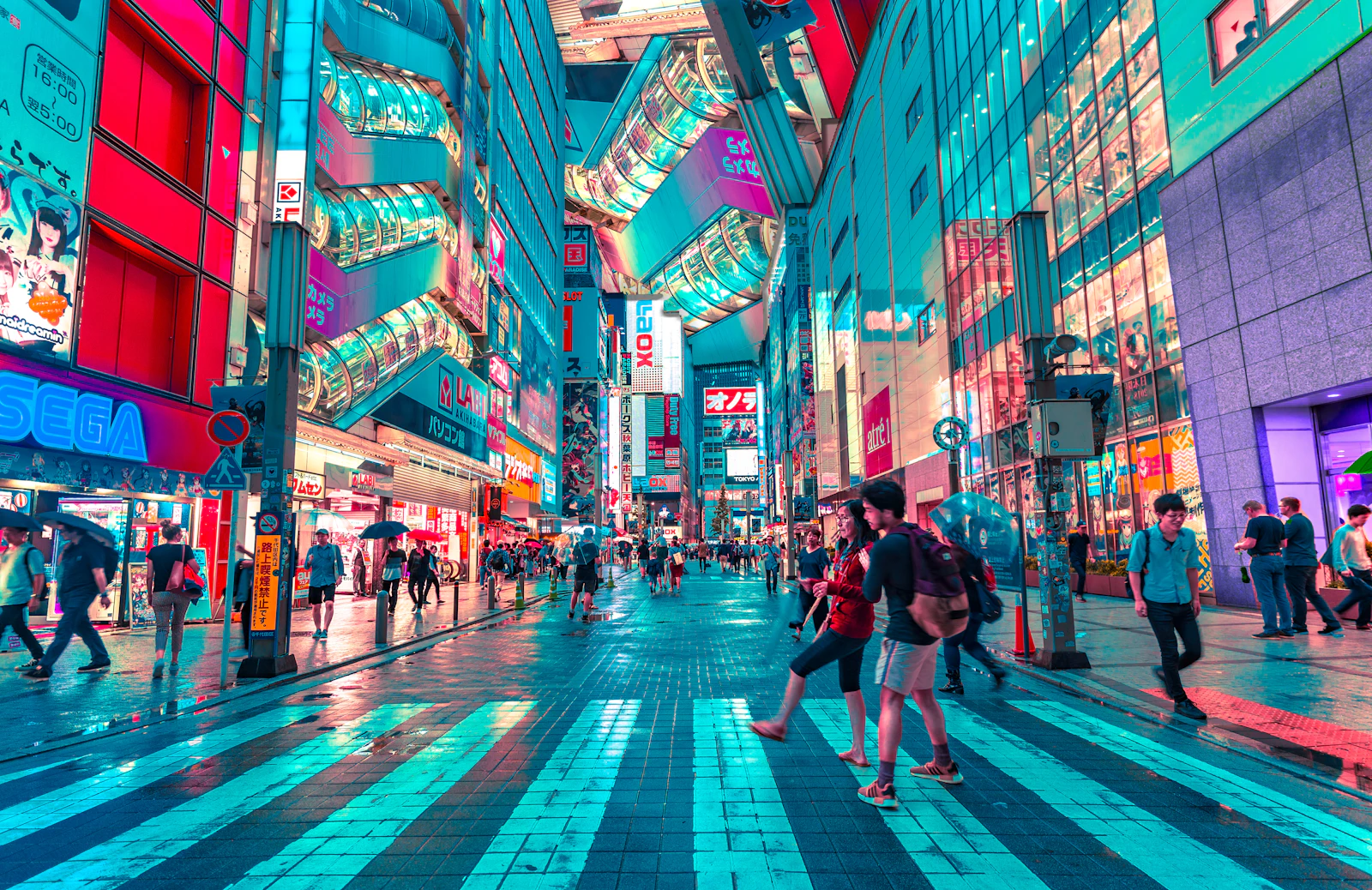
Shibuya Crossing is famous because it captures Tokyo's density in one short moment: screens, trains, crowds, fashion, and constant movement. It is not a monument, but it is one of the clearest snapshots of modern Tokyo.
This guide is written for overseas visitors who want a practical, calm overview before building an itinerary. It focuses on what makes Shibuya Crossing worth visiting, how to plan the stop, what to be careful about, and which nearby places pair well with it.
Why visit Shibuya Crossing?
Shibuya Crossing is a strong choice for travelers interested in urban energy, youth culture, shopping, night walks. It can work as a main destination, a half-day route, or one part of a wider regional trip depending on how much time you have in Tokyo.
Main highlights
- The scramble crossing from street level
- Views from nearby upper-floor cafes and observation spaces
- Evening atmosphere around Center Gai and Miyashita Park
How to plan your visit
Do not rush the visit. Walk the crossing once, then watch from above if you can. Combine it with a shopping route through Shibuya, Harajuku, or Omotesando.
For a better experience, avoid building the day around too many distant stops. Japan's trains and buses are reliable, but transfers, station exits, walking time, luggage, and crowds can make a simple-looking route feel longer than expected.
Good for first-time visitors?
Yes, if the theme matches your travel style. First-time visitors usually enjoy Shibuya Crossing most when they know what kind of place it is before arriving. Some famous sights are quick photo stops, while others deserve several hours or an overnight stay.
Etiquette and practical notes
As a general rule, keep to marked paths, avoid blocking narrow streets or gates for photos, and be careful around religious spaces, memorials, private homes, farms, wildlife, and natural environments. If you are unsure, follow local signs and staff guidance.
Nearby places to combine
Hachiko statue, Shibuya Sky, Harajuku, Meiji Jingu, and Omotesando.
Suggested route style
If you have limited time, make Shibuya Crossing the anchor of the day and add only one or two nearby stops. If you have more time, consider staying overnight in the region so you can experience morning or evening atmosphere when day-trip crowds are lower.